Thinking about buying a rental or small multi-unit in Valparaiso? You are not alone. Steady renter demand, a walkable downtown, and nearby employment hubs make Porter County a compelling place to invest. In this guide, you will see realistic rent and price snapshots, how returns compare with nearby Gary, what to buy, and a step-by-step underwriting plan you can use right away. Let’s dive in.
Valparaiso rental demand at a glance
Valparaiso’s rental market benefits from consistent local drivers. Valparaiso University enrolls roughly 2.5k to 2.9k students, which adds a predictable student housing cycle and supports off-campus demand near downtown and campus each fall and spring. You can confirm current enrollment on the university’s institutional data summaries, such as the recent counts shown on Valparaiso University enrollment profiles.
Regional employment also helps. Industrial and distribution growth in the Portage and AmeriPlex corridor continues to attract and retain a workforce that rents throughout Porter County, as highlighted in regional business coverage of Portage’s growth. These factors, paired with relatively low core vacancy near Valparaiso’s main ZIPs, create a resilient base for well-located rentals.
What to buy in Valparaiso
Downtown and near campus
Historic homes and small multi-unit conversions close to the courthouse square and campus draw tenants who value proximity to shops, dining, and classes. Expect older wood or brick construction and smaller lots. Focus on recent system updates and plan for regular safety checks, including smoke and CO detectors, and lead-safe practices in pre-1978 homes.
Suburban subdivisions
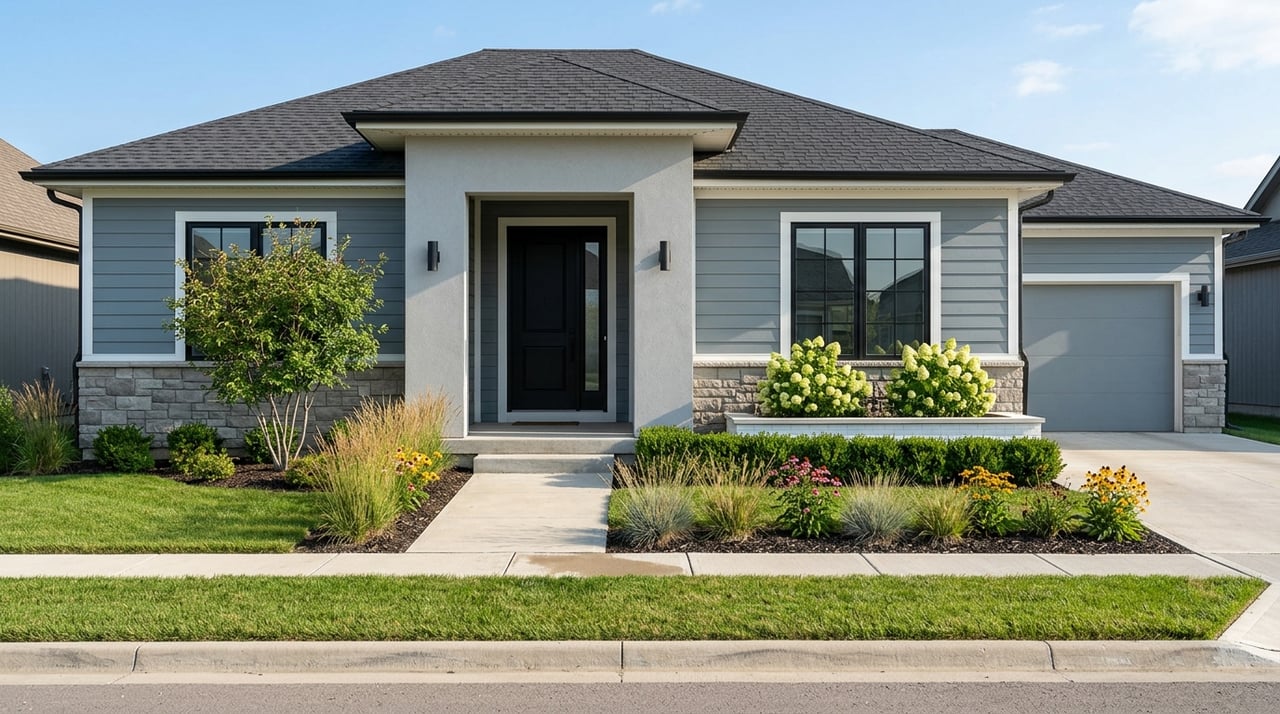
Newer single-family homes in the 46385 and 46383 areas tend to offer modern systems and lower maintenance. These properties often command premium rents and attract longer-term tenants. Purchase prices are higher, so target strong condition, low-turnover potential, and curb appeal.
Small multifamily and house hacking
Duplexes, triplexes, and fourplexes can balance cash flow and risk. If you plan to live in one unit, ask lenders about residential financing for 2 to 4 units and any occupancy rules. Verify local rental registration or licensing requirements before you commit.
Price and rent snapshots
Valparaiso today
Recent market snapshots from major portals place typical Valparaiso home values in a band around 340k to 395k, depending on data source and timing. Citywide rents commonly cluster around 1,200 to 1,400 dollars per month, with one-bedrooms in the low 1,200s and many two-bedrooms ranging from the low 1,200s to the mid 1,500s based on finish and location. Vacancy tends to be lower in the core ZIPs, with some areas estimated in the mid single digits.
How Gary compares
Gary’s pricing is materially lower, with portal medians often in the 95k to 150k range depending on neighborhood and month. Typical rents across the city often fall in the 800 to 1,200 dollars band by product type and condition. Vacancy can be much higher in certain ZIP codes, and the market is more block-by-block, which increases both risk and value-add potential.
What returns can look like
Below are simple illustrations using recent median-style snapshots from the research. They are not promises and should be adjusted to current comps, actual expenses, and your purchase price.
Valparaiso single-family example: Price 346,266 dollars and rent 1,300 dollars per month. Annual gross rent is 15,600 dollars. If expenses are 40 percent, projected NOI is about 9,360 dollars. That implies an illustrative cap rate near 2.7 percent, which is typical of stable, low-vacancy markets where buyers often trade some yield for predictability.
Gary small multi example: Price 125,000 dollars for a two-unit collecting 900 dollars per door. Annual gross rent is 21,600 dollars. If expenses are 45 percent, projected NOI is about 11,880 dollars. That implies an illustrative cap rate near 9.5 percent, reflecting higher yield potential with greater rehab, vacancy, and management risk.
The takeaway is simple. In Valparaiso, you may prioritize condition, tenant stability, and appreciation. In Gary, you may target value-add execution, rigorous due diligence, and higher reserves.
How to underwrite a deal
Use this checklist to frame offers and avoid surprises:
- Price comps. Pull 6 to 12 months of closed sales for the exact area and building type you are buying. Focus on like-for-like condition and lot size.
- Rent comps. Build a set of recent leases by unit size and finish level. Use active listings only to cross-check the direction of the market.
- Vacancy allowance. For Valparaiso core, many investors model 5 to 8 percent vacancy. In higher-risk Gary ZIPs, use a higher figure informed by local data and on-the-ground property managers.
- Expenses. Model taxes, insurance, utilities, maintenance, management, and reserves. For newer or well-kept homes, 10 to 15 percent of gross rent for maintenance is common in planning. For older stock or heavier turnover, plan 20 to 40 percent or more.
- Property taxes. Porter County parcels often show effective tax rates near 0.8 to 1.0 percent in aggregated estimators, but every parcel is unique. Review actual bills and levies, and confirm with county records or estimators such as Porter County effective property tax trends and parcel-history tools like Porter County property tax resources.
- Environmental and code checks. For properties near industrial corridors or older builds, include an environmental screen and a code-violation check. Start with EPA Region 5 Superfund reuse information and confirm site-specific reports with your inspector and title company.
- Calculate returns. Compute GRM, gross yield, NOI, and cap rate. Run sensitivity scenarios for rent, price, and expenses to see your break-even margins.
Financing and ownership
Owner-occupants can often finance 2 to 4 units under residential programs if they meet lender and occupancy requirements. Down payments, reserves, and underwriting vary by product and credit, so speak with more than one local lender for terms. Always verify local rental registration or licensing requirements for your intended use.
Key risks to plan for
- Condition and deferred maintenance. Budget for roof, HVAC, plumbing, and electrical updates. Older homes may need lead-safe work and detector upgrades.
- Tenant and lease audit. Verify current rents, security deposits, and lease terms before you close.
- Taxes and title. Pull the full parcel tax history and check for back taxes or special assessments. Use tools like Porter County property tax resources to understand trends, then verify with county records.
- Environmental context. Industrial legacy sites exist in Northwest Indiana. Review public resources like EPA Region 5 Superfund reuse information and broader steel-industry context in the region from sources such as the Clean Air Task Force’s steel-sector brief, then consult professionals as needed.
Valparaiso or Gary: which fits your plan
- Choose Valparaiso if you want stable demand, lower core vacancy, and properties that favor long-term holds. Expect lower cap rates on turnkey single-family homes, with opportunities in well-located duplexes and renovated small multis.
- Consider Gary if you are equipped for value-add execution, deeper diligence, and hands-on management. You may find higher going-in yields and lower prices, along with a wider range of outcomes by block and ZIP code.
Next steps with a local advisor
If you want help sourcing deals, building rent comps, and pressure-testing your numbers, partner with a local team that works both residential and investment sales. You will get grounded pricing advice, introductions to lenders and managers, and a clear path from offer to closing. To explore opportunities in Valparaiso, Porter County, and nearby markets, reach out to Matt Evans for a consult tailored to your goals.
FAQs
What are typical rents for Valparaiso two-bed units in 2026?
- Many recent samples cluster around 1,200 to 1,500 dollars per month depending on finish level, location, and parking.
How do vacancy patterns differ between Valparaiso and Gary?
- Core Valparaiso ZIPs often show mid single-digit vacancy estimates, while selected Gary ZIPs display higher vacancy and wider variation by block.
What expense ratio should I model for older rentals in Gary?
- A 40 to 50 percent expense load on gross rent is a conservative planning range for older stock with higher turnover and rehab needs.
Can I use residential financing to buy a duplex in Valparaiso?
- Yes, many owner-occupants can finance 2 to 4 unit properties under residential programs if they meet lender and occupancy requirements.
How should I estimate Porter County property taxes when underwriting?
- Start with recent parcel bills and effective-rate estimators near 0.8 to 1.0 percent, then confirm the exact levy and any exemptions with county records.
What extra due diligence should I do for properties near industrial corridors?
- Add an environmental screen, consult public sources like EPA Region 5 Superfund reuse pages, and budget for inspections and specialized abatement if recommended.