Thinking about a move to Valparaiso and wondering what daily life really feels like here? You want a friendly city with solid amenities, reasonable housing, and manageable commutes. You also want a clear picture of schools, parks, and how Valpo compares with other Northwest Indiana spots. This guide gives you the essentials so you can imagine your routines, weigh tradeoffs, and plan your next step with confidence. Let’s dive in.
Quick snapshot
Valparaiso sits in Porter County in Northwest Indiana, southeast of Lake Michigan and Chicago. It feels like a small city with a college-town heartbeat thanks to Valparaiso University. You get a walkable downtown, local arts and events, and quick access to beaches, dunes, and trails.
Nearby towns in Porter County, such as Chesterton and Portage, offer similar suburban lifestyles with different commute patterns and school districts. Gary is a separate Lake Michigan city with a different urban profile and ongoing redevelopment, and it has higher crime rates in many areas compared with Valparaiso. Each community offers distinct tradeoffs, so local knowledge goes a long way.
Housing and neighborhoods
What homes look like
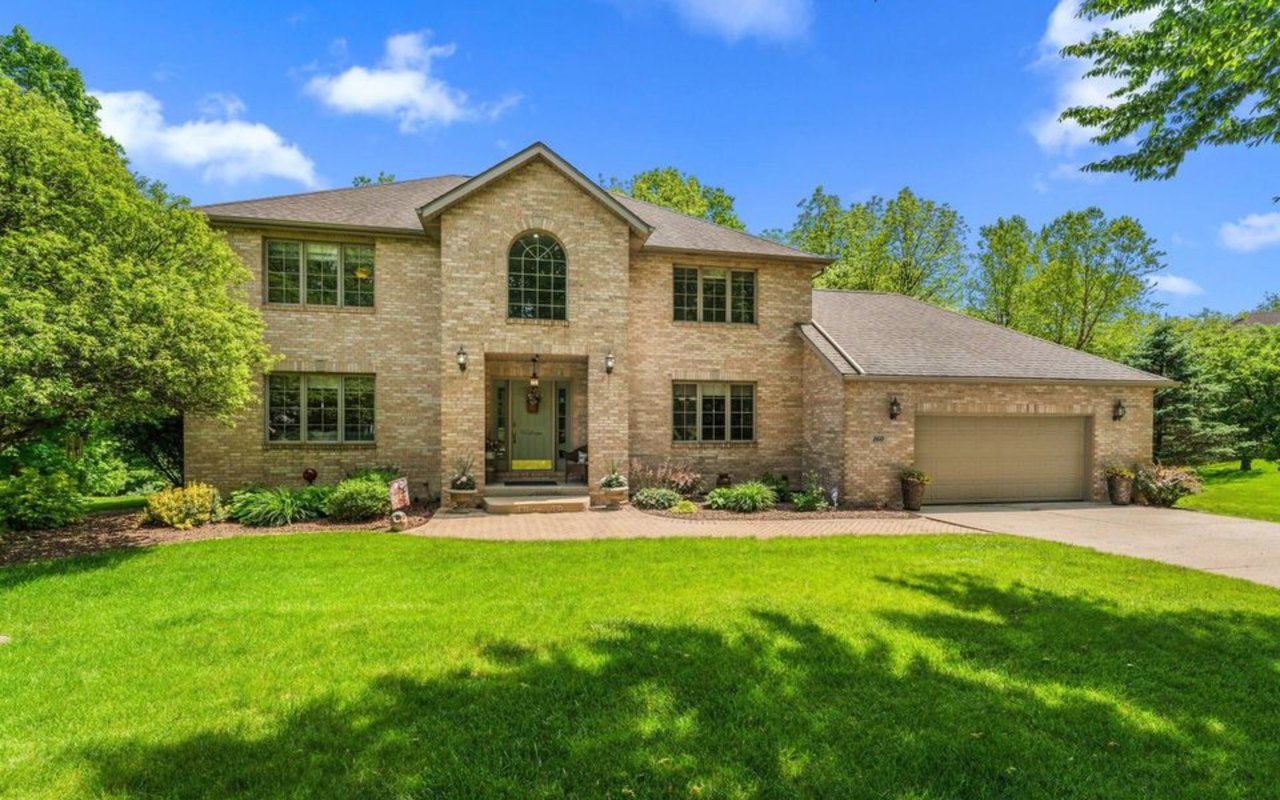
You will find a mix of older bungalows and early 20th century homes near downtown, mid-century ranches across established neighborhoods, and newer subdivisions with modern single-family designs. Townhomes and condos are available in select areas. High-rise options are limited, and larger lots become more common as you move outward from the core.
Price context
Recent years saw price growth across Northwest Indiana, with some moderation as mortgage rates rose in 2023 and 2024. As a general orientation, smaller condos or starter homes often land in the low to mid hundreds of thousands of dollars. Many single-family homes in established neighborhoods are also in the low to mid hundreds. Newer or larger properties, and homes with acreage, can reach the upper hundreds of thousands and above. Prices vary by neighborhood, lot size, and school assignment, so verify current figures with up-to-date market data before you decide.
Neighborhood vibes
- Downtown Valparaiso: Walkable blocks, historic storefronts, restaurants, cafes, and small venues. If you want nightlife that is friendly but not rowdy, this is a fit.
- Classic residential areas: Tree-lined streets near schools and parks, with a mix of older and newer homes. Daily errands are close by.
- Newer subdivisions: Larger homes, planned streets, and possible HOAs that shape neighborhood standards. Yards and garages are typical priorities.
- Rural outskirts: Properties with acreage and privacy for buyers who want room to spread out and a quieter pace.
Schools and childcare
Valparaiso Community Schools serves most of the city with elementary, middle, and high school options. District boundaries, enrollment, and ratings change over time, and Porter County includes several districts, so confirm the exact school assignment for any address you are considering. Private and parochial schools exist as local alternatives, with admissions and tuition that vary by campus. For the most current data and report cards, review Indiana Department of Education resources and the district website.
Parks, trails, and culture
Valpo maintains a network of parks, sports fields, playgrounds, and community recreation programs. Weekend adventures are easy, since the Indiana Dunes and Lake Michigan beaches are a short drive away. Local and regional trails support biking, running, and family walks.
Downtown adds restaurants, coffee shops, and boutiques to your everyday mix. Cultural life includes community theater and performance spaces, university events, and seasonal festivals. You get a small-city vibe with both indoor and outdoor options through the seasons.
Dining, shopping, and daily errands
You will find casual dining, pubs, coffee shops, and a range of cuisines downtown and around major corridors. Grocery stores and big-box retailers sit within short drives, so weekly errands are straightforward. Healthcare is anchored by local hospital and clinic networks in Valparaiso, and a variety of outpatient providers support daily needs. For specialized care, many residents use broader regional centers.
Commutes and transportation
Valparaiso connects by US 30, State Road 2, and nearby interstates such as I 94, I 80 90, and I 65 depending on your route. Drives to nearby Northwest Indiana hubs like Chesterton, Portage, Crown Point, or Hobart often range from about 15 to 45 minutes based on distance and traffic.
Getting to downtown Chicago by car can take roughly 60 to 90 minutes or more during peak periods. There is no commuter rail station inside Valparaiso, but many residents drive to nearby South Shore Line stations for rail service to Chicago and South Bend. Local transit and shuttles operate within Porter County, and downtown Valpo neighborhoods are more walkable. Most suburban areas are car dependent.
Safety and quality of life
Residents often view Valparaiso as safer than some larger post industrial cities in the region, while recognizing that crime varies by neighborhood and changes over time. Review recent police department data and official crime maps for a clear picture near homes you are considering. Quality of life is also shaped by parks, public events, and ongoing municipal investments that support downtown and neighborhood vitality.
Jobs and the local economy
Common employment sectors include healthcare, education, manufacturing, retail, and local government. Some residents commute to other Northwest Indiana hubs or to Chicago for work. Redevelopment projects and new business investments can influence neighborhood momentum, property values, and rental demand, particularly near the university and downtown.
Costs, taxes, and weather
Overall cost of living in Northwest Indiana tends to be lower than in the Chicago metro, especially for housing. Property taxes are set at the county and local levels based on assessments, so compare by address using official Porter County resources. Seasonal weather matters here. Winters can be cold and snowy, and summer is warm and humid. Lake effect patterns can increase winter snow and shape your heating, insurance, and commute planning.
Pros and cons summary
Pros
- Small city feel with a walkable downtown and university culture
- Diverse home options, often with more space and value than Chicago suburbs
- Quick access to parks, Indiana Dunes, and Lake Michigan
- Regional healthcare, retail, and recreation within short drives
Cons
- Longer commutes if you work in downtown Chicago
- Limited direct commuter rail from within Valparaiso
- Winter weather can affect driving and utility costs
- Neighborhood by neighborhood variation requires careful due diligence
Who Valparaiso fits best
Valpo suits you if you want a friendly, mid sized city with room to grow, practical amenities, and easy weekend access to the dunes and lake. It is a strong match for buyers who value schools and parks, and for move up buyers seeking larger homes or acreage. Investors also look at areas near downtown and the university for steady rental demand.
Next steps
If you are narrowing neighborhoods, start with your commute and school needs, then match home type and price range to your priorities. Walk downtown at different times of day, tour parks and trails, and drive potential routes during peak hours. When you are ready to compare specific streets, subdivisions, or acreage, connect with a local advisor who knows the nuances block by block. For hands on guidance across residential, land, investment, or commercial needs, reach out to Matt Evans for a local strategy and next steps.
FAQs
Is Valparaiso a good fit for families?
- Many buyers choose Valparaiso for its parks, community programs, and neighborhood feel. Confirm school assignments and compare amenities near the homes you are considering.
What are typical home prices in Valparaiso?
- As a general guide, starter condos and smaller homes often land in the low to mid hundreds of thousands, with larger or newer properties reaching the upper hundreds of thousands and above. Verify current data before you decide.
How long is the commute to Chicago from Valparaiso?
- Driving to downtown Chicago commonly ranges from about 60 to 90 minutes or more at peak times. Many commuters drive to nearby South Shore Line stations for rail service.
How do Valparaiso schools compare in Porter County?
- Performance and programs vary by district and evolve each year. Review Indiana Department of Education reports and district sites for up to date comparisons by address.
What is there to do on weekends near Valparaiso?
- You can explore downtown dining and arts, visit local parks and trails, and spend time at Indiana Dunes and Lake Michigan beaches within a short drive.
How does Valparaiso compare with Gary for housing and lifestyle?
- Valparaiso and Gary have different urban profiles and market dynamics. Gary may offer lower housing costs in some areas and higher crime rates in many neighborhoods, while Valparaiso offers a small city environment with a different set of amenities. Assess by neighborhood for the clearest picture.