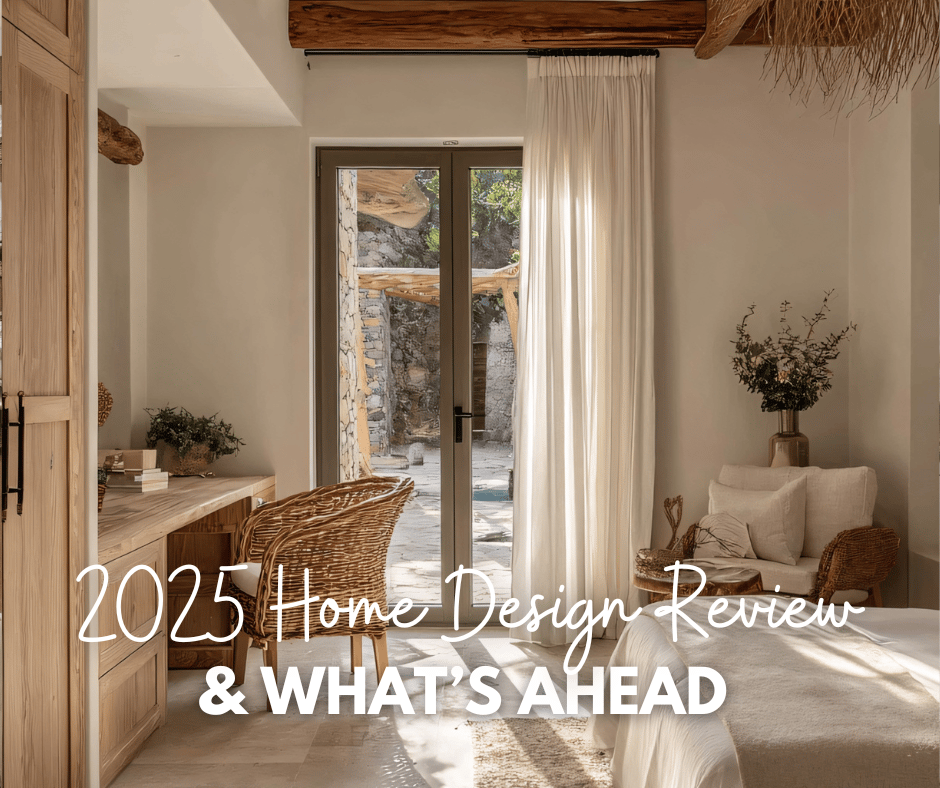
As we close out 2025 and look toward 2026, the world of interior design has undergone a significant transformation. The days of stark white kitchens and cool gray everything are officially over. This year has been defined by emotional design, where homes have transitioned from showpieces into curated, cozy sanctuaries that reflect personality and values.
This major shift moves away from quick, disposable trends and toward intentional choices that prioritize durability, natural materials, and an effortless blend of comfort and subtle sophistication—all qualities that instantly boost a home's appeal and value. As the year draws to a close, understanding these key movements is essential for anyone wanting their space to feel current and inviting heading into the new year.
A Look Back: What Defined 2025 Design
The defining theme of 2025 was the pivot toward warmth, texture, and character in interior spaces. Homeowners and designers embraced elements that felt authentic, nurturing, and lived-in.
- Warm, Earthy Color Palettes: Cool grays were decisively shelved in favor of natural, earthy neutrals. We saw a massive embrace of shades like terra cotta, beige, taupe, soft gold, and muted sage or olive green to create instant coziness and timeless elegance.
- Texture as a New Neutral: Texture took center stage to add depth and dimension without clutter. This included layering textiles like boucle, velvet, wool, and suede, as well as using architectural finishes like plaster, limewash, fluting, and handcrafted tiles. The focus was squarely on tactile, durable surfaces that gain character over time.
- Curved and Organic Shapes: We waved goodbye to sharp, hard edges. Instead, soft, rounded forms dominated, appearing in architecture, voluptuous furniture, and cabinetry to create naturally flowing, more inviting interiors.
- Integrated Biophilic Design: The connection to nature became integrated, moving beyond simple potted plants to large windows, living walls, and incorporating natural materials like reclaimed wood, stone, marble, and travertine. This approach emphasizes longevity and natural purity.
- Invisible Smart Home Tech: Technology shifted from being a visible gadget to a seamlessly integrated system supporting the home’s design and efficiency goals. Hidden sensors, voice-controlled systems, and smart lighting that adjusts automatically were key to enhancing comfort and efficiency subtly.
What’s Out: Fads That Failed to Endure
Transitioning away from these fleeting styles helps anchor your space in designs with lasting appeal and greater sophistication.
- Stark Minimalism and Cool Gray Hues: The clinical, cold look that dominated the late 2010s gave way to warmer, more personalized spaces.
- Purely Utilitarian Appliances: Buyers in 2025 demanded more from their appliances; basic, hidden models were replaced by statement-making appliances that served as design features, such as professional-grade ranges.
- Harsh, Shiny Metallic Finishes: Overly polished or harsh metallic finishes faded as design favored natural metals with a patina or brushed/aged finishes, which offer character and a more elevated, sophisticated feel.
- Industrial Style Furniture: The rough, utilitarian aesthetic of industrial furniture was replaced by softer, more sophisticated aesthetics like Art Deco, favoring rich colors, smooth curves, and geometric shapes.
- Over-the-Top Open-Concept Layouts: While still popular, the completely undivided space lost ground to layouts that use modular elements and subtle partitions to define areas for remote work, wellness, and quiet retreat.
Looking Ahead to 2026: Focus on Personalized Touches
The path for 2026 suggests more boldness, intensified functionality, and a continued focus on soul-driven design. Expect the evolution to center on emotional well-being and personal expression.
- "Color Drenching" Takes Hold: This bold trend, where an entire room (walls, ceiling, and trim) is coated in a single, dramatic hue, will grow to create immersive, mood-driven spaces. Deep blues, rich greens, and tranquil teals are predicted to be popular for this sophisticated, enveloping aesthetic.
- Functional Drama: Look for a surge in features that double as art and function, such as sculptural kitchen islands, movable partitions that adapt to the day's needs, and statement ceilings with intricate textures or bold colors.
- The Handmade and Heritage Narrative Intensifies: The market will further prioritize artisanal pieces, handwoven rugs, and vintage or antique accents that tell a story. This mix-and-match aesthetic celebrates individuality and unique craftsmanship over mass-produced uniformity.
With the closing of the book on 2025's design landscape, the key takeaway is the power of intention. These defining trends—warm neutrals, organic shapes, and functional drama—create a legacy of design that withstands the test of time. Whether you plan to stay or sell, applying these principles ensures your space is a beautiful, personalized sanctuary now, and perfectly positioned for the increasingly discerning buyer of 2026.